


Denver Urban Scholars Walk of Fame, 20 Years in the Making: Ryan Ross
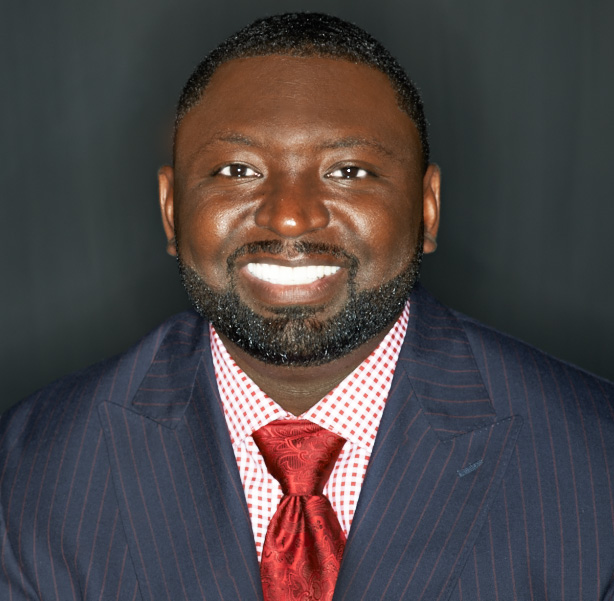
How long have you been involved with DUS?
Since 1994. I believe I was the first of the first seven students in the program back when it was the Byrne Foundation.
How did you first come to be involved with DUS?
I wanted to go to Mullen. I was trying to figure out how to get in the school. At that time, my mom didn’t quite understand the private school process or why I wanted to go. So I had to navigate that process myself. I got the application and filled it out and went to the test, by myself. I found out that there was a cost to Mullen. It didn’t resonate with me that there was a huge fee. The summer before freshman year, I took the bus to Mullen every day for two weeks. I offered to clean the bathrooms, but [Vince Grecco, the school’s principal] wanted me to go through the financial aid process.
At that time my mom said, “No, we can’t afford this.” I forged her name on the documents. One day, I took the bus there, and Mr. Grecco is waiting on me. He told me, “I have someone I want you to meet.” It was Mr. Byrne, who asked “Why do you want to come here?” I told him “I don’t want to go to my neighborhood school. I don’t want to get in trouble. I want to play football, I want to associate with my friends here.” Larry told me about his background and said, “If you’re willing to commit to mentor, community service, academic rigor, I would be willing to help you out.”
I got in the program, and I was connected with a mentor, Patrick. I could relate to him, he was young, he had a job, and he was making life choices. We got to take on one another’s worlds and talk about the two. I was able to see things I hadn’t seen in my neighborhood and gain perspective on things I hadn’t seen before. It shifted my perspective on opportunities, and addressed stereotypes I had about white guys. It was good for me to see that. If he was young and figuring it out, I could be young and figuring it out as well.
How has DUS impacted your life?
It’s impacted me in a couple of ways. The first broad way is by providing opportunities for me to see something different. It provided an opportunity for me to get an education. I could just focus on being a kid. I didn’t have to worry about the stresses of my neighborhood. I didn’t have to worry about fighting anyone, or peer pressure, or anything.
Also, my first real experience with community service and giving back came from the Byrne Foundation. I was on the cover of the Rocky Mountain News because we were giving back over the holiday season. For me that experience was really profound. Here I am, a kid who is being helped and receiving help through my life, and here I am giving back. I have something to give.
You figure out that you don’t have to have money. You have time and talent you can give to people. You can give of yourself and your personality, making people laugh. That’s where my love for service and giving back came from.
I was accepted to Nebraska Wesleyan University, and Patrick loaded up his Subaru and drove me out to college with another kid from Colorado. We were able to build community with one another before we even got to school. I had a new friend, and we still keep in touch.
What are the ways you see DUS impacting the community?
I think the program now is really about educating people that they can change their stars through education, and that education is a right for everyone, not just a privilege for a few. It’s about a paradigm shift. It provides support for students who don’t need a hand out, but can use a helping hand.
College and success can be attainable for anyone. And it’s not just for students of color necessarily, but for any student. It’s reality and Denver Urban Scholars provides a plan to get there.
Why do you think it is important for community members to support DUS?
I think it’s important because it’s a terrific return on investment. When I look at myself in 1994, I was a kid on two paths: either to do something great or the unknown. Some of my childhood friends are dead or incarcerated because they didn’t have an opportunity to get out of the neighborhood and create a different path for themselves.
With that service attitude, I’ve paid it forward to the community because of the Byrne Foundation. There are people who aren’t involved in the program who are receiving the fruits of the Byrne Foundation’s labor, and I am sure other scholars would argue the same thing.
This program started with one person’s vision, finances, and self-sacrifice. It’s not some nonprofit to pad the pockets of a fancy Executive Director, it’s about the program. The organization has paid its dues to grow. When nobody cared about it or believed in it, it thrived and changed lives. Now it’s time to bolster that model of work.
Any fun or significant memories about DUS that you’d like to share?
A couple of things stick out. One, Patrick would pick me up on weekends and we would go to his house and hang out. He accepted my whole family; I would bring my brother. Patrick had a bulldog named Norm, and my little brother was playing with him and getting him all riled up, and Norm almost had a heart attack. He hadn’t had that much excitement, maybe ever!
Patrick was there with me during all my major milestones. He was there when I scored my first high school touch down, he took me to college. Larry, god bless him, Larry actually let me drive his car. Nobody had ever trusted me with something so valuable and personal. It was helpful, I got my license. And that vote of confidence from Larry really showed me that this is family, this is someone I will know the rest of my life and remember forever. It just demonstrates what a personal commitment there was to make this work and help students thrive, to set an example as a mentor and a consistent, engaged, powerful influence in a kid’s life.
Anything else you’d like to add?
When I was in the program, there were only seven students, so resources could go a whole lot further. I think we had a commitment to make, maybe $500, but my whole tuition was paid at Mullen High School. It would be awesome to have the kind of resources and support where students could have 50-75% of their tuition taken care of in private schools. It would just be amazing. Now we are figuring out how to make those resources go further, by supporting schools that are not private. It shows a level of commitment and people should see that and help it grow.