


Denver Urban Scholars Walk of Fame, 20 Years in the Making: Larry Byrne
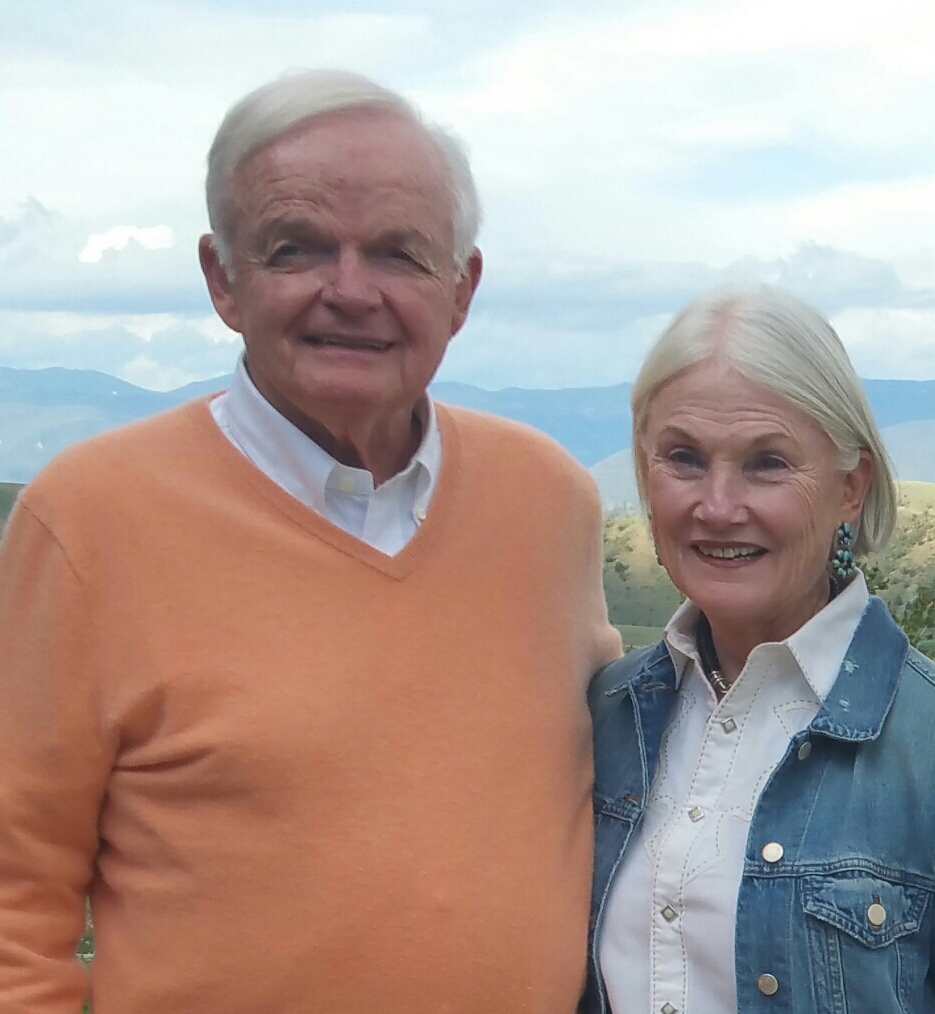
When Larry Byrne first began his foundation 20 years ago, he had no idea just how successful the program would be. A Chicago-born entrepreneur, Byrne made his way in the healthcare industry. He was always passionate about education, and sat on the board of his Alma Mater, St. Ignatius, in South Side Chicago.
He started with a vision: to provide quality education to students who may not otherwise have access. And he started small, initially only providing scholarships to a few inner-city-Chicago youth to attend private Catholic schools.
While on the board of St. Ignatius, Byrne lived in Denver but would fly to Chicago for meetings at the school. Over time, he began noticing the lack of racial diversity in the student body. Byrne and the head priest came up with a plan to help integrate students of color into the school. With the help of the priest, Byrne would reach out to inner-city kids who were interested in attending St. Ignatius but couldn’t afford the tuition. He would finance their education and act as mentor to these students, offering them the potential for a future filled with prospect and opportunity.
This program worked with great success for years before Byrne decided to try something similar in Denver. He approached Mullen High School’s Principal, Vince Grecco, with a proposition: tuition and mentoring to inner-city students who wanted more from their education. Grecco accepted Byrne’s proposal, and introduced him to what would be the first “Byrne Scholar,” Ryan Ross.
Ross, a native of Denver’s west-side Park Hill neighborhood, had been waiting for an opportunity to change his trajectory. “I wanted to go to Mullen. I was trying to figure out how to get in the school. At that time, my mom didn’t quite understand the private school process or why I wanted to go. So I had to navigate that process myself,” said Ross.
“I got the application and filled it out and went to the test, by myself. I found out that there was a cost to Mullen. It didn’t resonate with me that there was a huge fee. The summer before freshman year, I took the bus to Mullen every day for two weeks. I offered to clean the bathrooms, but Mr. Grecco wanted me to go through financial aid process.”
Even with financial aid, Ross and his family still could not afford the tuition at Mullen. “One day, I took the bus there, and Mr. Grecco is waiting on me. He told me, ‘I have someone I want you to meet.’”
That someone was Larry Byrne. “He asked me, ‘Why do you want to come here?’ I told him, ‘I don’t want to go to my neighborhood school. I don’t want to get in trouble. I want to play football, I want to associate with the people here,’” Ross explained.
Byrne pitched Ross his idea. “He told me, ‘If you’re willing to commit to a mentor, community service, academic rigor, I would be willing to help you out.’” From there, Ross began attending Mullen High School. He got good grades, played varsity football, and eventually earned a scholarship to Nebraska Wesleyan University. He has since completed his PhD and is now the Dean of Student Development and Retention Services at Community College of Denver.
Since its inception, Denver Urban Scholars has grown and changed substantially. While the legacy of the program really began with Larry and his wife, Margaret, they credit the Board of Directors, staff, and their son, Patrick, who stepped in as Executive Director in 1996 for the program’s success.
“I just have to come in about once a month to really understand what Denver Urban Scholars is now versus what it was when we started. Because in the very beginning, we were trying to figure out how to find these kids and how to find the right school for them. And at that time, it was private schools and they didn’t have the support of programs like ours,” said Byrne.
While the actual programming of Denver Urban Scholars has grown and changed substantially, one thing that remains is Byrne’s original vision for quality education for all, regardless of background. “What I hope for is that we can see more and more kids who can have an opportunity to be part of society in a meaningful way.”